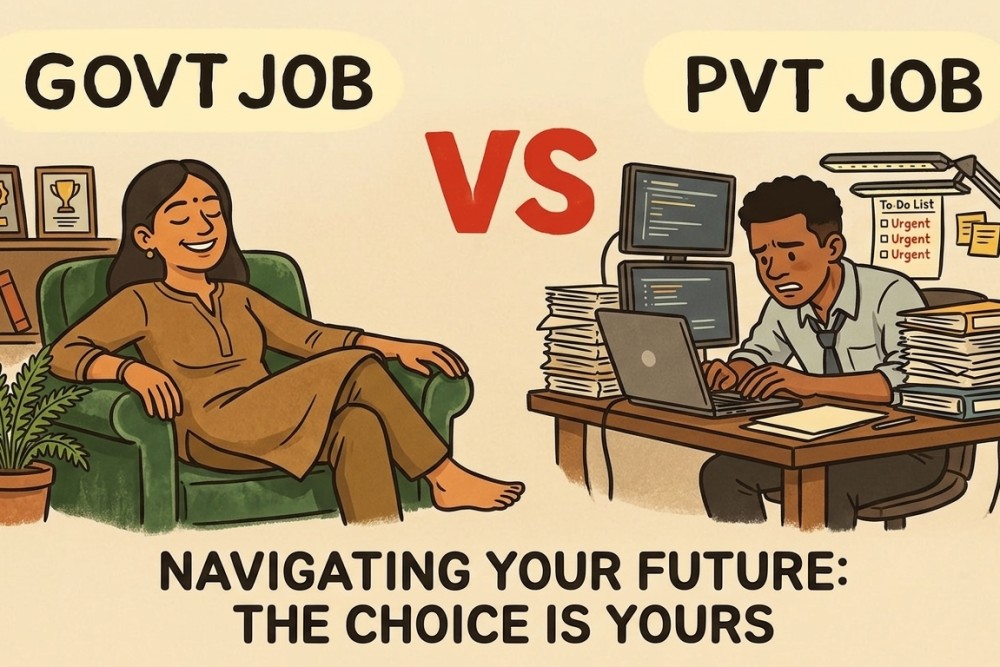
Building a successful career takes time, patience, and smart decisions. Many people focus only on getting a job but forget the importance of long-term career growth.


Choosing a Job Only for Salary
Salary is important, but choosing a job only because of high pay can become a problem in the long run.professionally, not just financially.
A job with a slightly lower salary but better growth opportunities can sometimes become a smarter long-term decision.
Before accepting any job, think about:
- Future growth
- Skill development
- Company reputation
- Work-life balance
- Job stability
- Learning opportunities
A career should help you grow professionally and personally over time.
Ignoring Skill Development
One of the biggest career mistakes is staying at the same skill level for years.
Industries change rapidly. New technologies, tools, and trends continue to evolve. People who stop learning often struggle later in their careers.
Important skills to improve:
- Communication skills
- Computer skills
- Technical knowledge
- Teamwork
- Problem-solving abilities
Continuous learning helps you stay competitive and increases career opportunities.
Poor Resume Preparation
Many job seekers underestimate the importance of a professional resume.
Common resume mistakes include:
- Spelling errors
- Too much unnecessary information
- Poor formatting
- Fake information
- Outdated details
Your resume creates the first impression. A clean and professional resume improves interview chances significantly.
Always:
- Keep your resume updated
- Use simple formatting
- Highlight important skills
- Customize the resume for different jobs
Lack of Career Planning
Some people work for years without setting clear career goals.
Without direction:
- Growth becomes slow
- Motivation decreases
- Opportunities get missed
Career planning helps you understand:
- Where you want to go
- What skills you need
- Which industries interest you
- What salary goals you have
Even a simple long-term plan can improve career decisions.
Frequently Changing Jobs Without Reason
Changing jobs for better opportunities is normal. However, changing jobs too frequently without a proper reason can create a negative impression.
Employers may think:
- Lack of commitment
- Instability
- Difficulty adapting
Before switching jobs, consider:
- Skill growth
- Career benefits
- Long-term stability
Smart career moves are better than emotional decisions.
Ignoring Communication Skills
Technical knowledge alone is not enough in most careers.
Good communication helps with:
- Interviews
- Teamwork
- Leadership
- Customer interaction
- Workplace relationships
People with strong communication skills often receive better opportunities and promotions.
Simple ways to improve:
- Practice speaking clearly
- Improve vocabulary
- Listen carefully during conversations
- Build confidence gradually
Fear of Starting Small
Many freshers expect high positions immediately after completing their studies.
In reality, careers grow step by step.
Starting with:
- Internships
- Entry-level jobs
- Small companies
can provide valuable experience and confidence.
Every successful professional started somewhere.
Do not reject good learning opportunities just because the position seems small initially.
Not Preparing for Interviews
Some candidates attend interviews without preparation and rely only on luck.
This often leads to:
- Nervousness
- Poor answers
- Lack of confidence
Before interviews:
- Research the company
- Practice common HR questions
- Prepare your self-introduction
- Understand the job role
Preparation increases confidence and improves performance.
Depending Only on One Career Option
Relying completely on one job role or one industry can become risky.
Industries may change due to:
- Technology
- Market conditions
- Automation
Having multiple skills and backup career options provides more security and flexibility.
Comparing Yourself With Others
Many people become stressed by comparing their career progress with friends or social media.
Everyone’s career journey is different.
Some people succeed early, while others grow slowly but steadily. Constant comparison can reduce confidence and motivation.
Focus on:
- Personal improvement
- Skill growth
- Long-term progress
Success takes time.
Ignoring Networking
Professional connections are very valuable for career growth.
Networking helps with:
- Job opportunities
- Career advice
- Industry knowledge
- Referrals
You do not need to know hundreds of people. Even small professional relationships can help in the future.
Not Maintaining Work-Life Balance
Working continuously without proper rest can affect:
- Health
- Mental peace
- Productivity
Career success is important, but maintaining balance is equally necessary.
Healthy routines improve both personal life and professional performance.
Giving Up Too Early
Career growth rarely happens instantly.
Rejections, failures, and delays are common during professional journeys.
Many successful people faced:
- Interview failures
- Job rejections
- Financial struggles
- Career confusion
Patience and consistency are extremely important.
Keep improving and continue learning instead of losing confidence quickly.
Conclusion
Avoiding common career mistakes can save years of stress and confusion. Smart career decisions, continuous learning, communication skills, and proper planning help build a stronger future.
Success does not happen overnight. Careers improve gradually through experience, discipline, and consistent effort.
Instead of chasing shortcuts, focus on:
- Skill development
- Professional growth
- Confidence
- Long-term stability
A well-planned career journey creates better opportunities, financial security, and personal satisfaction over time.
Digital Star Jobs – Supporting Your Career Growth and Success